How We Can Help You
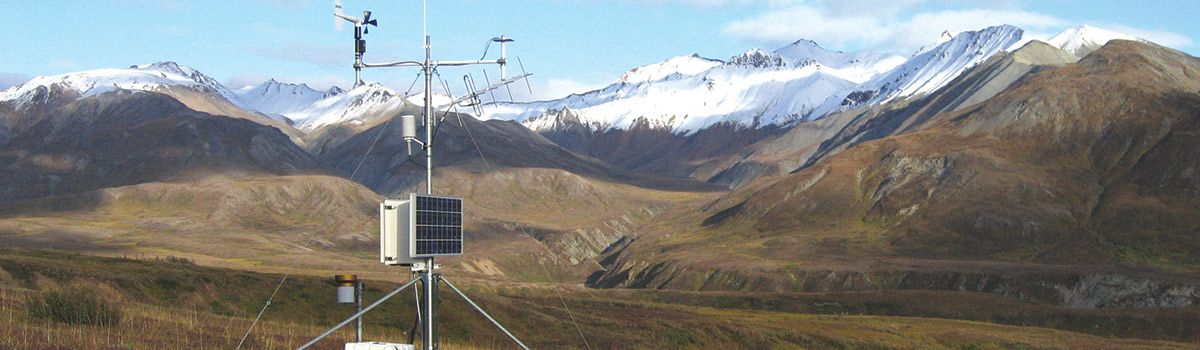
From single research weather stations to mesoscale weather networks (mesonets), Campbell Scientific automatic weather stations have become the worldwide standard for climate and boundary-layer meteorology. They are integral parts of forecasting and monitoring systems worldwide. Accurate measurements, low power requirements, and proven reliability in extreme weather conditions make our weather stations ideal for all types of meteorological and climatological monitoring anywhere on earth.
Learn moreTo see how our systems meet your application needs, review our case studies »


For an introduction to our solutions that are compliant with World Meteorological Organization (WMO) and Global Basic Observing Networks (GBON) standards for the Systematic Observations Financing Facility (SOFF) initiative, visit our GBON-Compliant Observation Solutions page.
For an introduction to mesonets, their value, and how they work, visit the Mesonet Essentials section.
Instrumentation
We offer a variety of products that can be used to create systems for Automatic Weather Stations (AWS) and Meteorologic Instruments. Many of the major components used to create these systems are listed below. Please let us know if we can help you configure a system.
More Details about Our Automatic Weather Stations (AWS) and Meteorologic Instruments Systems
Data loggers for weather monitoring
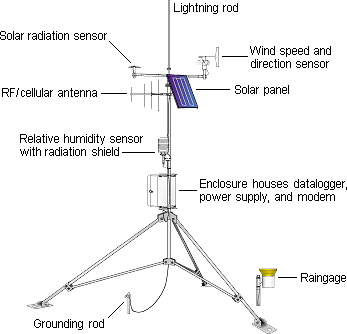
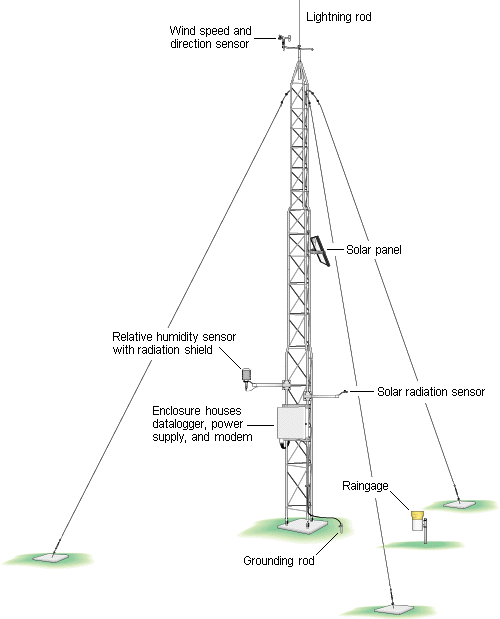
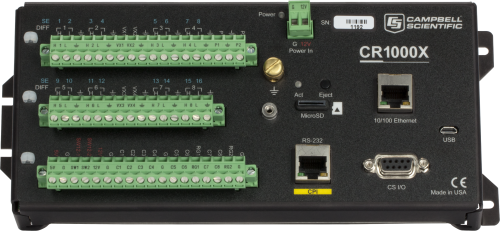
Our weather stations are based around a programmable data logger (typically a CR1000 or CR3000) that measures the sensors, then processes, stores, and transmits the data. Our data loggers have wide operating temperature ranges, on-board instructions, programmable execution intervals, and ample input channels for commonly used sensors. Wind vector, wet bulb, histogram, and sample on maxima or minima are standard in the data logger instruction sets. Most sensors can be measured directly—without external signal conditioning.
Data are typically viewed and stored in the units of your choice (e.g., wind speed in mph, m/s, knots). Measurement rates and data recording intervals are independently programmable, allowing calculation of 15-minute, hourly, and daily data values from 1-minute or 1-second measurements, for example. Conditional outputs, such as rainfall intensity and wind gusts, can also be recorded. The program can be modified at any time to accommodate different sensor configurations or new data processing requirements. If needed, channel capacity can be expanded using multiplexers, including a model designed specifically for thermocouples.
Weather Sensors
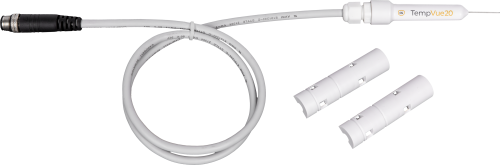
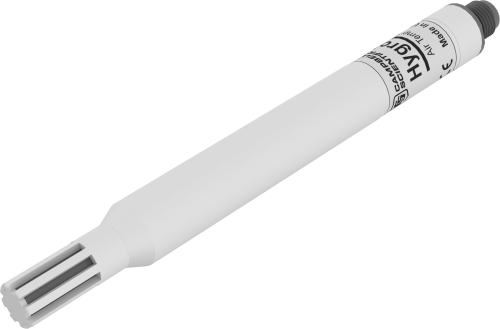
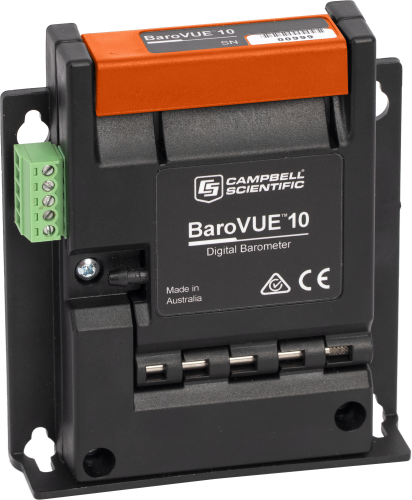
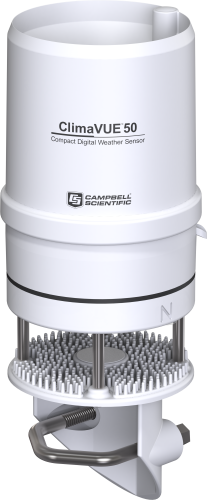
Almost any meteorological sensor can be measured by our data loggers, allowing stations to be customized for each site. Typical sensors used on our stations include, but are not limited to:
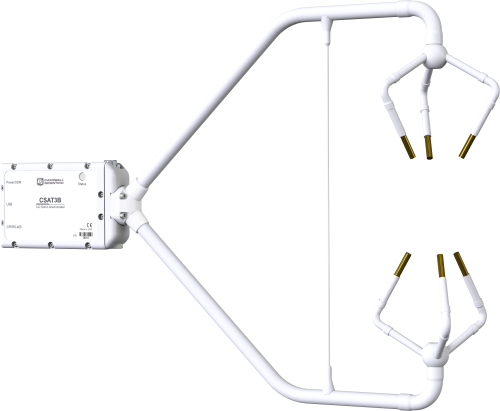
- Wind speed and direction
- Solar radiation
- Temperature (air, water, soil)
- Relative humidity
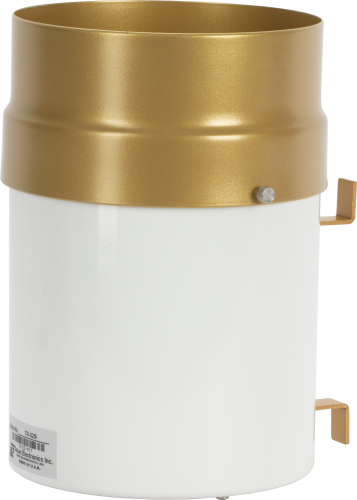
- Precipitation
- Snow depth
- Barometric pressure
- Soil moisture
In some locations, hydrological sensors provide additional measurements, such as water level of a nearby stream.
Data Retrieval
We offer multiple communications options for data retrieval, which can be mixed within the same network. Telecommunications options include short-haul, telephone (landline, voice-synthesized, cellular), radio frequency, multidrop, and satellite. On-site options include storage module and laptop computer.
Software
Our PC-based support software simplifies the entire weather monitoring process, from programming to data retrieval to data display and analysis. Our software automatically manages data retrieval from networks or single stations. Robust error-checking ensures data integrity. We can even help you post your data to the Internet.
Example Weather Stations
Case Studies
Overview In May 2019, the Government of Zambia embarked on the Central Asia Water & Energy......read more
Overview The Chauvet-Pont d'Arc and Aven d'Orgnac caves are home to prehistoric treasures of rare artistic......read more
Overview The Royal Chapel of Chaalis Abbey—often referred to as the “French Sistine Chapel”—is a treasure......read more
Introduction At Campbell Scientific, we are committed to providing cutting-edge weather station solutions to organizations around......read more
Overview The National Weather Observation Network in Croatia, led by the Croatian Meteorological and Hydrological Service......read more
Overview The Kingdom of eSwatini in Southern Africa—with its agricultural-based economy and a population of less......read more
Southwestern South Africa had three consecutive dry winters—from 2015 through 2017—resulting in the Cape Town......read more
As part of the United Nations Development Programme's (UNDP) Crisis Prevention and Resilience Building component,......read more
Documents
Articles and Press Releases
Privacy Policy Update
We've updated our privacy policy. Learn More
Customise a System
In addition to our standard systems available, many of the systems we provide are customised. Tell us what you need, and we’ll help you configure a system that meets your exact needs.